All posts by host

Scholars’ Circle – The Death Penalty: A Case of Cruel and Unnecessary Punishment by the State – October 11, 2026

On September 30, 2026, the state of Tennessee attempted to execute Christa Pike, who was convicted of murder and sentenced to death in 1996. The state failed to execute her, and her case is not the first failed execution in the state. The subsequent reporting of how the execution was carried out and the pain and suffering that Ms. Pike experienced has raised several issues that we will attempt to explore on today’s show. These include whether the method of execution is a violation of the 8th Amendment ban on cruel and unusual punishment and whether the execution violated the Convention against Torture, to which the US is a signatory. Most importantly, the case of Ms. Pike raises the general human rights issue of capital punishment. So, on today’s show, we will explore the issues around the method of execution known as lethal injection. We will consider the general human rights questions of capital punishment, and we will try to understand what’s next, not just for Christa Pike, but for the future of capital punishment in the country. [ dur: 58mins. ]

This program is produced by Doug Becker, Maria Armoudian, Ankine Aghassian, Anna Lapin and Sudd Dongre.

Politics and Activism, Human Rights, Prison, Courts, Punishment, Death Penalty, Capital Crimes

Scholars’ Circle – We Explore the Future of Warfare – October 4, 2026

Ever since Russia attacked Ukraine, there have been predictions that the normative order against aggressive war was under threat. Then the US and Israel attacked Iran. Numerous scholars have predicted this would encourage China to attack Taiwan. The normative restrictions on war are loosening and the US is distracted and hence not able to help defend Taiwan. But two clear developments challenge this prediction. Russia, after 4 full years of war, is not likely to win this war anytime soon. And the US, despite the President’s continual assertions that it has won the war, clearly has not. Technology such as drone warfare might be a reason. Defensive tactics could be another. So on today’s show, we will explore the future of warfare in light of the Russian and American wars and their current lack of success. [ dur: 1h18m ]

We are live in front of an audience at the International Studies Association’s West Regional meetings in Pasadena, California.

This program is produced by Doug Becker, Maria Armoudian, Ankine Aghassian, Anna Lapin and Sudd Dongre.

Politics and Activism, Governance / Law, War / Weapons, Diplomacy, Militarism, Russia, Ukraine, United States, China, Iran

Scholars’ Circle – Exploring Privacy as it Affects Security, Society and Democracy – September 27, 2026

Is the age of privacy over? We spend the hour on technology, spying and privacy, exploring how privacy, and the lack of it, affects security, democracy and society. What exactly is at stake when we lose our privacy? [ dur: 58 mins. ]

For a transcript of this interview, please visit: TheBigQ

Produced by the Scholars’ Circle team: Ankine Aghassian, Melissa Chiprin, Anaïs Amin, Tim Page, Mike Hurst and Sudd Dongre.

Politics and Activism, Science / Technology, Privacy, Social Sciences 

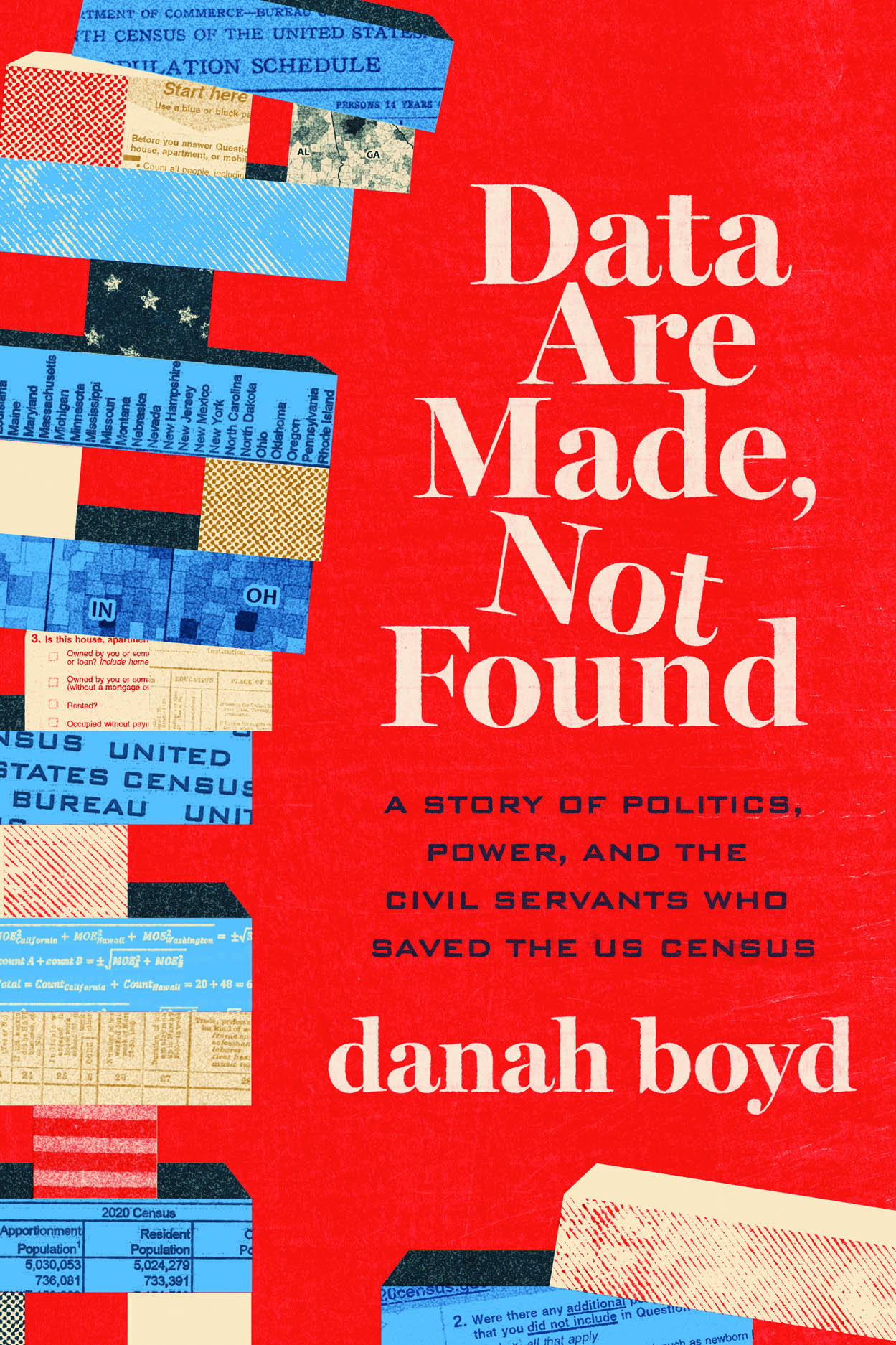
Scholars’ Circle – Author interview on “Data Are Made, Not Found: A Story of Politics, Power, and the Civil Servants Who Saved the US Census” – September 20, 2026

Data drives politics. But politics drive data. That is to say, we make political decisions based on data, often selected from mountains of available information.

collage of census questions with title of the book Data Are Made, Not Found by Danah Boyd

But how we gather data is an inherently political decision. And nowhere is this more clear than when the US collects the information about its population. Every ten years the Constitution mandates that the government conduct a census. And this process is complicated and inherently political. That is the message of our guest today, Danah Boyd is the author of a new book, Data Are Made, Not Found: A Story of Politics, Power and the Civil Servants Who Saved the US Census. . [ dur:58mins. ]

Danah Boyd is the Geri Gay Professor of Communication at Cornell University, where she works on topics at the intersection of technology and society. She is also the founder of the research institute Data & Society and the author of It’s Complicated: The Social Lives of Networked Teens.

This program is produced by Doug Becker, Maria Armoudian, Ankine Aghassian, Anna Lapin and Sudd Dongre.

Politics and Activism, Democracy, Civil Servants, Policy making, US

Scholars’ Circle – Canada US relations, Trade war – September 13, 2026

The United States and Canada share the longest undefended border in the world. We record this show on September 11 and I am reminded of Canada’s strong alliance with the US, allowing American flights to land as the skies closed and showing remarkable generosity to the passengers that day. But recently, the US has shown antagonism and even animosity to its ally to the North. Ranging from a President threatening the annexation of the nation (and making it the 51st state) to placing rather high rates of tariffs on many Canadian goods, the relationship between the two nations are strained. On today’s show, we will explore the history, the current state, and the potential future relationship between Canada and the US. And we will focus the discussion on the view from north of the border. [ dur: 58mins. ]

This program is produced by Doug Becker, Maria Armoudian, Ankine Aghassian, Anna Lapin and Sudd Dongre.

Economics, Politics and Activism, Diplomacy, Canada, United States, Trade Wars

Scholars’ Circle – Glacier Collapse, Flooding, Climate Change – September 7, 2026

On August 26, 2026, massive floods swept through Nepal and Tibet. As of this recording on September 3, over 1,200 people are reported killed and as many as 4,200 are still missing. A landslide reported to be an equivalent 5.2 earthquake hit the Nepal/China border in the Himalayan Mountains as a trigger of the flood. And it appears that the flooding was caused by a massive glacier collapse. So on today’s show, we will explore glacial collapse and their causes. And we will explore whether this disaster should be seen as a warning and signal of future environmental risk of catastrophe. [ dur: 58mins. ]

This program is produced by Doug Becker, Maria Armoudian, Ankine Aghassian, Anna Lapin and Sudd Dongre.

Environment, Politics and Activism, Science / Technology, Climate Change, Himalaya Mountains, Nepal, China

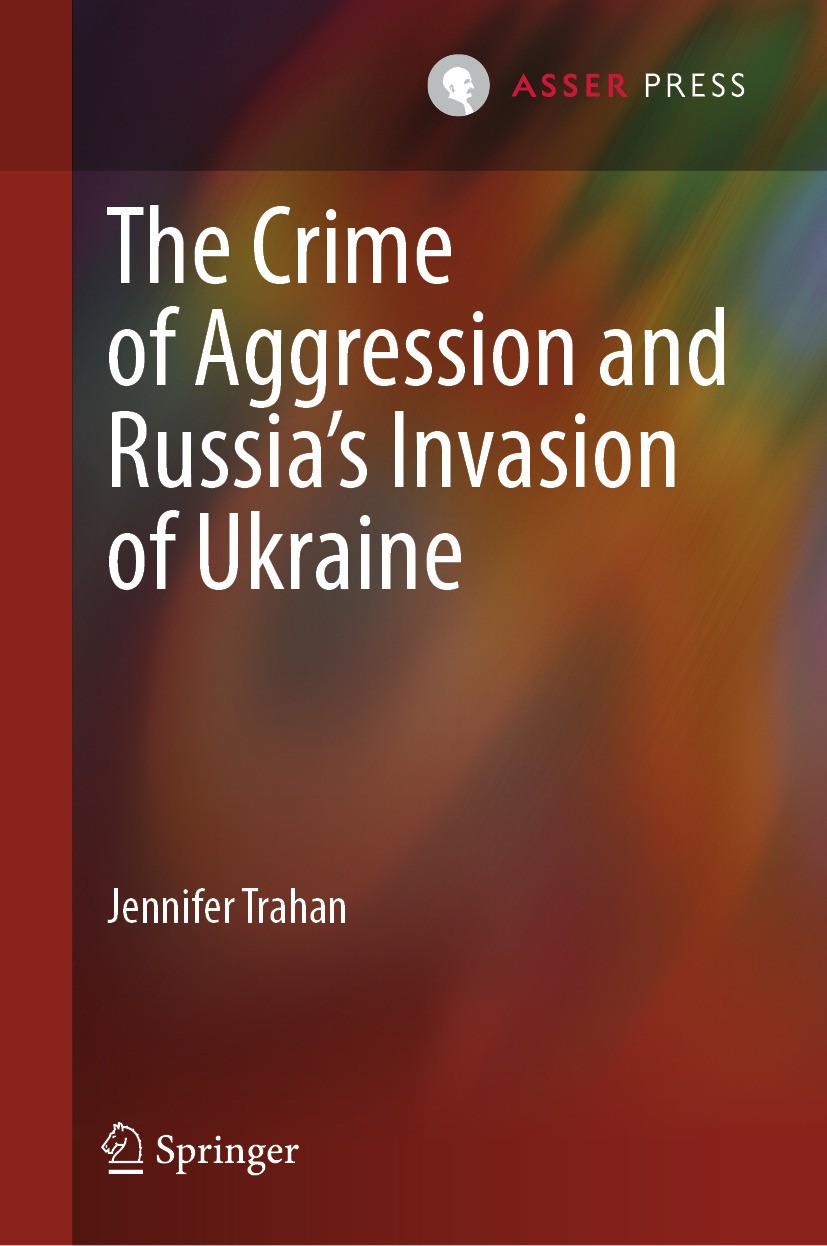
Scholars’ Circle – Drone warfare and Author interview : The Crime of Aggression and Russia’s Invasion of Ukraine – August 30, 2026

The 21st century, and in particular the last five years, have seen a significant increase in the use of drones in warfare. Unmanned weapons, often cheaper than many of the more complicated and advanced weapons used by major powers like the US and Russia, seem to be aiding defenders and making the battlefield more even. What can these drones do? Do they make wars more likely to break out? Or do they improve the defenders abilities and hence serve as cautionary tale against aggression? And how do they change the battlefield? [ dur: 30mins. ]

In response to the devastation of World War I, world leaders lead by France and the US negotiated the Kellogg-Briand Pact. This outlawed aggressive war and outlined the crime of aggression. It was the legal foundation for one of the crimes prosecuted at Nuremberg and Tokyo following World War II. And the UN Charter, specifically Article 2 (4), not only outlaws aggressive war but even threatening aggressive war. But the definition of aggressive war has been a legal and political challenge for the last 100 years. Perhaps no current scholar has been more committed, more influential, and more productive on this specific issue than our current guest. [ dur: 28mins. ]

Book cover with title - The Crime of Aggression and Russia's Invasion of Ukraine

Jennifer Trahan has a new book on this precise issue. In The Crime of Aggression and Russia’s Invasion of Ukraine, she uses this very current and incredibly important case to demonstrate the historical development of this crime and the need to harmonize its definition and to prosecute its violation.

  • Jennifer Trahan is a Clinical Professor and Director of the Concentration in International Law and Human Rights at NYU’s Center for Global Affairs.

This program is produced by Doug Becker, Maria Armoudian, Ankine Aghassian, Anna Lapin and Sudd Dongre.

Politics and Activism, War / Weapons, drones, warfare, laws on war

Scholars’ Circle – Wildfires Erupting Across Europe and North America – August 23, 2026

The world is on fire. While that seems alarmist, this summer has been the summer of fire. Wildfires have spread all around the world, with specific fires in Spain, France, Canada and the US seizing global headlines. While the summer in the northern hemisphere is typically wildfire season, this year seems to mark an increased intensity and occurrences of these fires. On today’s show we will explore what has been the cause of these fires. What environmental conditions have lead to the increased intensity of these fires? And what should be done both locally and globally to better manage wildfires? [ dur: 58mins. ]

This program is produced by Doug Becker, Maria Armoudian, Ankine Aghassian, Anna Lapin and Sudd Dongre.

Environment, Politics and Activism, Climate Change, Environmental Activism, Wildfires

Scholars’ Circle – Does Aging Population mean Decline of War ; Peaceful Use of Nuclear Energy – Aug 16, 2026

Does the world’s aging population mean fewer wars in the future? What exactly is a geriatric peace?

book cover of the book the Geriatric Peace - population aging and the decline of war, blue cver with a white peace dove balanced on a walking stick

Our guest, Mark L. Haas, is the author of The Geriatric Peace: Population Aging and the Decline of War. [ dur: 30mins. Recorded June 2025 ]

Then, we explore a new book on the peaceful uses of nuclear power: The Wretched Atom by Jacob Hamblin. [ dur: 28mins., recorded August 2021 ]

This program is produced by Doug Becker, Maria Armoudian, Ankine Aghassian, and Sudd Dongre.

Scholars’ Circle – Horn of Africa Famine Explained and UK Politics of the New Prime Minister – August 9, 2026

The Greater Horn of Africa, in Northeastern Africa, faces severe food insecurity. In Sudan 19 million-plus people are facing acute hunger, including 825,000 children under five who are expected to suffer from Severe Acute Malnutrition in 2026. In addition, 12-14 million people are experiencing severe food insecurity in Ethiopia, Kenya and Somalia. What are the root causes and immediate effects of this famine? How can the world help address food insecurity in the region? [ dur: 27mins. ]

The United Kingdom has a new Prime Minister. He is the 7th Prime Minister in the last decade, a remarkable instability for the nation. Who is Andy Burnham? Why did he replace Kier Starmer? Why has the UK had such instability? Does Brexit play a role? Lastly, we explore Burnham’s leadership and its potential impacts on the future of the UK. [ dur: 31mins. ]

This program is produced by Doug Becker, Ankine Aghassian, Maria Armoudian, Sudd Dongre and Anna Lapin.

Agriculture, Food and Nutrition, Governance / Law, War, United Kingdom, Ethiopia, Somalia, Sudan, Famine